AIM Launch Research to Explore How Land is Used by Museum and Heritage Organisations

A new piece of research has been launched by the Association of Independent Museums (AIM) to better understand how museums and heritage venues with outdoor space of any size are approaching land management in order to diversify their income streams, broaden their audiences, and contribute to sustainability goals. 

The research will explore how museums and heritage organisations (including industrial heritage sites) with outdoor space of any size, from rooftop terraces to those with thousands of acres, are using these spaces. The research will also consider the appetite for further support and funding for developing such outdoor spaces. The intended outcome is to compile some broad data about land ownership in the sector along with a set of robust case studies that can exemplify how organisations of varied size and resource are approaching land management.

A core element is an online survey, which is open to those in the museums and heritage sector with experience managing land or owning land. The survey is being carried out by marketing research company M·E·L Research for the Association of Independent Museums (AIM), National Museum Directors’ Council, Arts Council England, and the Welsh Government.

The online survey is open until Mid-December, and can be completed here.

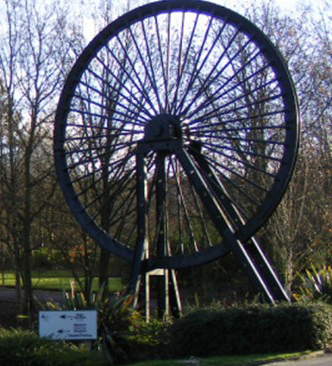
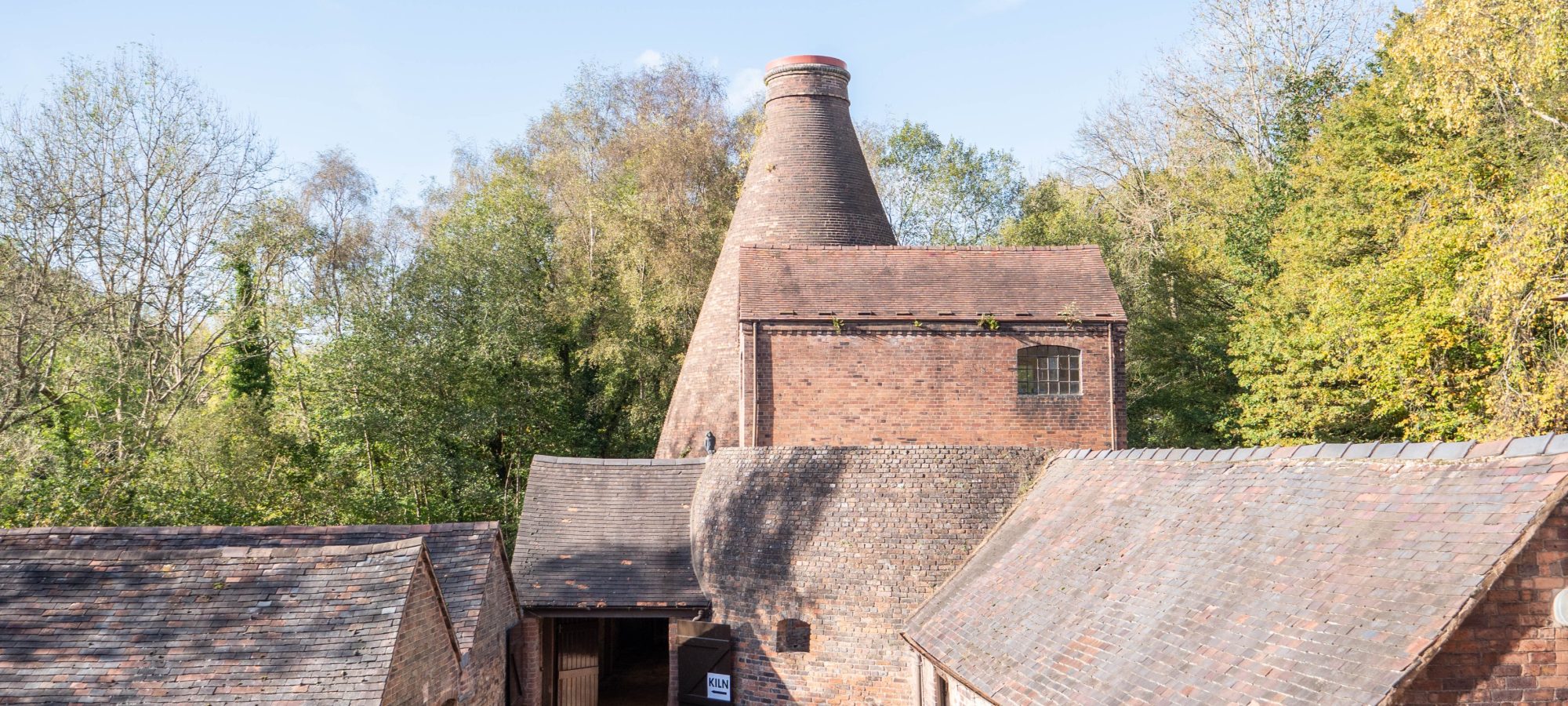
Part of the Blists Hill Victorian Town, Ironbridge Gorge Museum Trust. Image copyright: Dr Michael Nevell.

Catalyst Science Discovery Centre & Museum Awarded £1 Million NLHF Grant

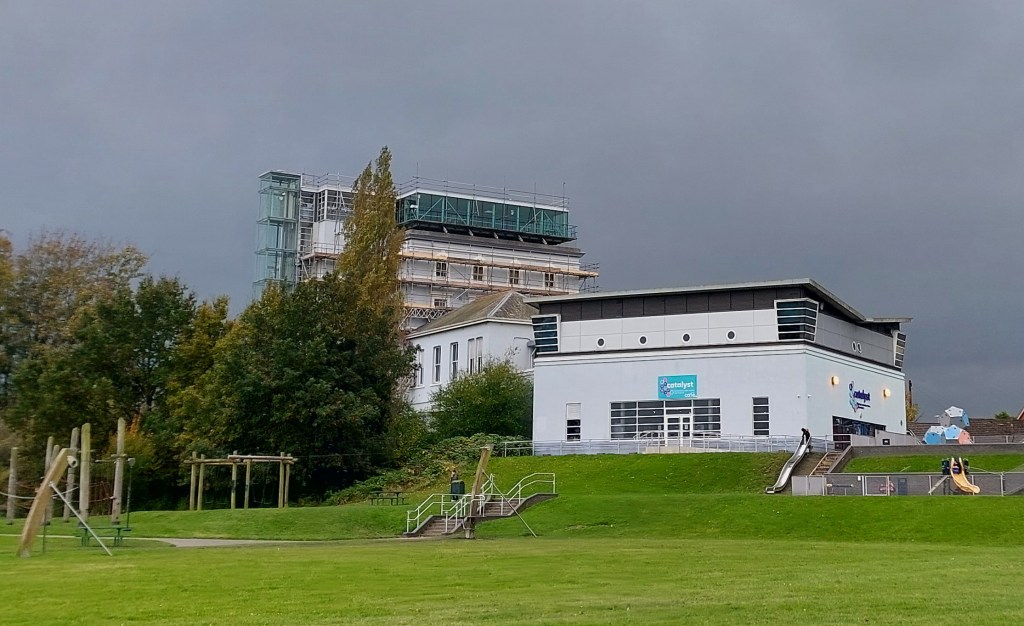
The Catalyst Science Discovery Centre and Museum in Widnes has been awarded a £1 million grant from The National Lottery Heritage Fund. This is to help it educate and excite an even wider audience about the relevance of chemistry, the town’s chemical heritage, and how this has shaped modern life today.

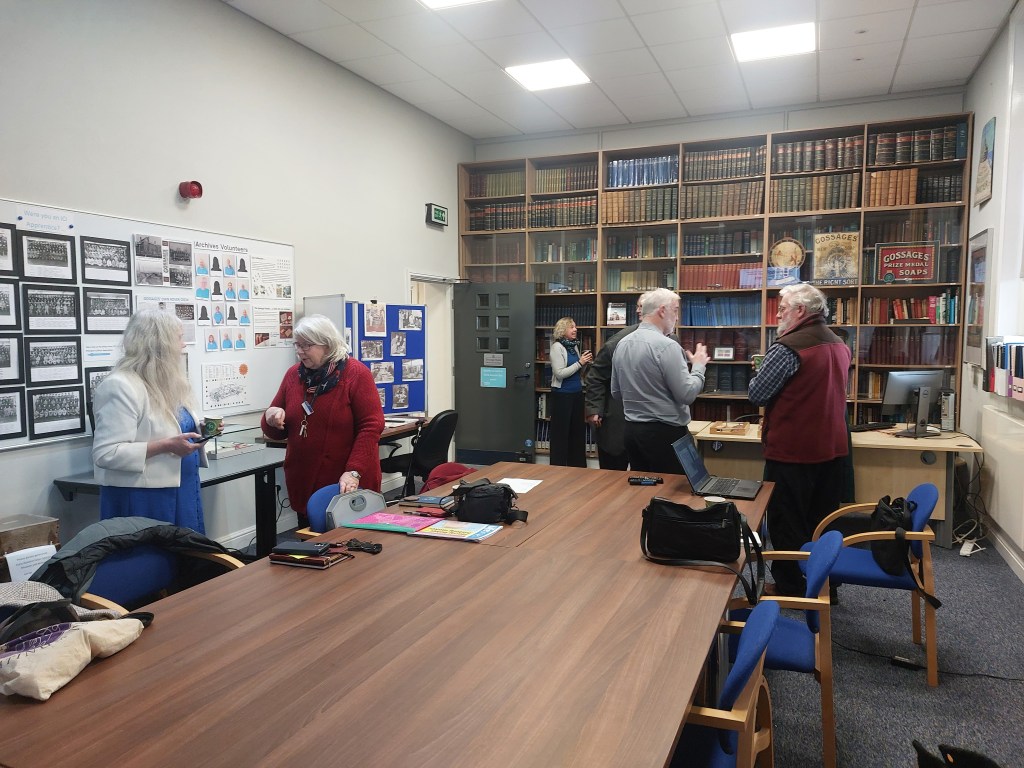
Delegates catching up at the North West IHN, October 2024. Copyright: Dr Michael Nevell

Half of the £1,009,930 National Lottery Heritage Fund grant will be used to refurbish two floors of the museum in order to showcase the history and heritage of the chemical industry from the 1800s to the present in a fresher, more engaging, and more accessible way. This includes the top floor Observation Gallery with its 360° views of the surrounding area including the River Mersey and two Halton bridges, which will be revamped with brand new interactive exhibitsd and audio handsets.

A proportion of the grant will be used to digitise the museum’s nationally important, and extensive, archive to both protect and make it more widely available. The remainder of the grant has been earmarked for an extensive activity plan including workshops, events, open days, and resources aimed at connecting audiences to the chemical industry in a new and meaningful way.

The Catalyst charity was launched in 1987. It celebrates the local chemical industry heritage and its influence at home and around the world with unique initiatives, hands-on experiences, and rich industrial heritage archives. The Discovery Centre and Museum welcomes visitors from the local area and beyond, with special events for schools, families, and SEN groups all year round. The museum hosted the North West Industrial Heritage Network meeting in October 2024.

For further details follow this link: https://www.catalyst.org.uk/catalyst-lottery-fund-win/

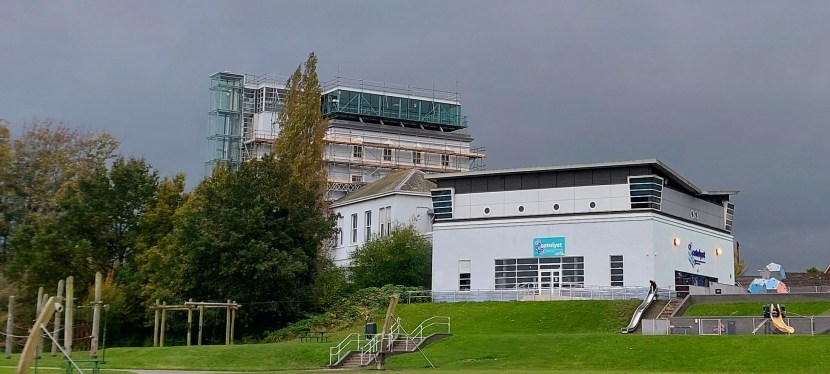
The Catalayst Science Discovery Centre andMseum, November 2024. Copyright: Dr Michael Nevell.

Museum Decarbonisation Case Studies

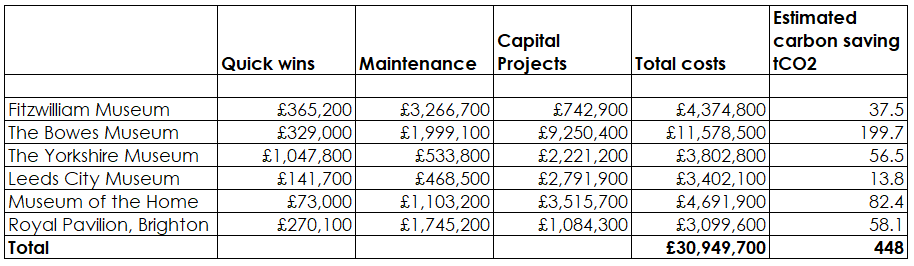
The National Musuem Directors’ Council (NMDC) has published the findings of a series of case studies looking at the actions and costs required to decarbonise museum buildings. It worked with a consulting engineer and a construction consultancy on a study of potential improvements to the energy performance of six different museum sites across the country, identifying where changes could be made to make buildings more efficient and reduce carbon emissions.

The National Museum Directors’ Council represents the leaders of the UK’s national collections and major regional museums. Aware that many museums haven’t yet carried out baseline surveys or carbon audits due to capacity and affordability, and that some who have done so can’t share results widely due to  commercial sensitivities, six museums agreed to share their findings publicly to increase sector literacy about potential improvements and outline costs. Each case study considers three categories: quick wins, maintenance, and capital projects, and within these demonstrates a range of potential carbon savings for individual measures – ranging from reviewing boiler controls or time schedules, to more ambitious interventions such as upgrading roof insulation, window repairs, or replacing gas boilers with Air Source Heat Pumps.The detailed case studies can be read by clicking the link here.

The importance of baseline carbon surveys to identify such measures cannot be overstated, as implementing these may mitigate potentially larger costs of more advanced maintenance or capital work, for which considerably more external funding is necessary.

*all carbon savings and costs are estimates. See case study document for full details.

Emergency and Risk Management Network: Extreme Environments Training for Museums, 5 November 2024

Join Museum Development Midlands (MDM) and Anita Hollinshead for this session exploring extreme environments and their impact on conditions in museums, collections, visitors, and staff on 5th November. The free workshop will include a number of case studies and measures that can be put in place to minimise risks.

Delegates will be encouraged to share their own experiences of extreme weather conditions, including high temperatures, flooding, and storms and the impact of climate change on collections management, all issues familiar on for industrial heritage sites. This workshop is part of MDM’s Emergency and Risk Management Network, helping museums prepare for emergency situations and develop skills in risk management and mitigation.

Places are limited to a maximum two delegates per organisation. Priority will be given to delegates from non-NPO and non-National museums in the Midlands which are Accredited or officially Working Towards Accreditation. You’re welcome to book a place if you are not from a priority museum, including non-Accredited museums, on the understanding we may ask you to release your place if the event becomes oversubscribed. Fololow this linbk to book the free trainbign session: https://www.eventbrite.co.uk/e/emergency-and-risk-management-network-extreme-environments-tickets-1028753909637?aff=oddtdtcreator

GLIAS to Show Historical Films of London’s Industrial History

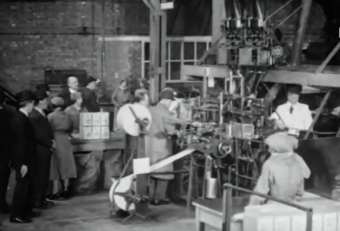
The Greater London Industrial Archaeology Society in conjunction with the Cinema Museum and Huntley Film Archives are running an evening showing films from the John Huntley Archive about London’s Industrial Heritage. The event will take place on the 27th November 2024, presented by Amanda Huntley, and there will be an optional tour of the museum afterwards.

John Huntley (1921 – 2003) was an English film historian, educator, and archivist. Born in Kew, London, he started in the the film industry as a teaboy at Denham Studios around 1938. He later worked for the British Filn Institute from 1952 to 1974, first for the information department, but from 1955 in distribution. In 1984 he and one of his daughters, Amanda, set up Huntley Film Archives. This is an archive of documentary, educational, industrial, medical, travelogue, and feature films, containing films of the lives of ordinary people around the world. For more details on the archive follow this link: https://www.huntleyarchives.com/aboutus.asp

To book your £10 ticket for the event follow this link: https://ticketlab.co.uk/event/id/28012.

Tees Valley Museums Consortium Win ‘Best Museum Youth Group’ in Kids Family Friendly Museum Awards 2024

Tees Valley Museums Consortium has won one of this year’s ‘Kids in Museums’ awards for Best Museum Youth Group. The consortium’s Young People initiatives include their Young Producers strand. These are a group of 16-25 year olds who have a say and plan events and exhibitions at their museums. They currently have two active Young Producers groups – based at Hartlepool Art Gallery and Preston Park Museum. Further Young Producers are planned for the Stockton and Darlington Railway route and in Middlesbrough.

The Tees Valley Museums Consortium consists of the museum services of Stockton-on-Tees, Darlington, Hartlepool, Middlesbrough and Redcar & Cleveland. It was formed in 2017 to develop collaborative working for the purpose of delivering better services to the public. The five museum services of Tees Valley Museums Consortium hold extensive collections of art, archaeology, social, industrial and maritime history, as well as a wide array of world cultures. The museums work together to promote pride in the history of the Tees Valley.

Kids in Museums is an award-winning charity dedicated to making museums open and welcoming to all children, young people, and families. They support and champion family friendly organisations through wide-ranging initiatives, including the Family Friendly Museum Awards and Takeover Day. They invite heritage organisations to sign up to their Manifesto, which sets out simple guidelines for making museums easy to reach for all ages. For further details visit their website: www.kidsinmuseums.org.uk

For more details about the Tees Valley Museums Consortium and their Young People initiatives follow this link: https://teesvalleymuseums.org/young-people/

Industrial Heritage Network Meetings in Person – Autumn 2024

The next round of in-person Industrial Heritage Network (IHN) regional meetings will be taking place this autumn. These regional network meetings take place twice a year in the spring (online) and in the autumn (in-person). They are a chance to bring together volunteers and professionals from industrial heritage sites around England to exchange experiences, catch up with the latest news and practices, and make or renew contacts. There are ten regional networks in England run by the IHSO project at the Ironbridge Gorge Museum Trust, and funded by Historic England, with the support of the Association for Industrial Archaeology.

The first four in-person IHN meetings will be held this autumn for the following regions:

  • North West England, Catalyst Museum, 25th October 2024.
  • Cornwall & Devon, East Pool Mine, Redruth, 7th November 2024.
  • South West, Westonzoyland, 8th November 2024.
  • West Midlands, Claymills, 22nd November, 2024

Further dates for other regions will be published in October. Regional network members will be emailed details of the venues and how to attend. For further details contact the Industrial Heritage Support Officer for England: mike.nevell@ironbridge.org.uk

Westonzoyland Pumping Station

Accountability for Museum Collections – Briefing for Trustees and Senior Managers

In response to recent scrutiny of the sector’s accountability for the collections in its care, the Collections Trust through Museum Development Midlands is offering a concise briefing, aimed at trustees and senior managers who want to review the policies and procedures in place at their own institutions. This online breifing will take place on 18th September.

This workshop is open to Trustees and Senior Management of all museums, including industrial heritage sites, regardless of Accreditation status. The UK museum sector has a well-established standard for collections management, Spectrum, which is embedded into the Museum Accreditation standard. This one-hour briefing will cover the core principles of three relevant Spectrum procedures: inventory; audit; damage and loss.

To book follow this link: https://www.mdmidlands.org.uk/events/accountability-for-collections-briefing-for-trustees-and-senior-managers

London Museum of Water & Steam Need Public’s Help to Raise Final Funds for Engine Project

The London Museum of Water and Steam are running an urgent appeal to raise the final funds for ‘The Great Engine House Project’ which ains to restore the Grade 1 listed Great Engine House. This is home to the gigantic Grand Junction 100 Inch and 90 Inch engines.

They have already been promised a funding grant for the entire project of £2.8 million, but they will need to raise a percentage of the grant by crowdfunding £50,000 by mid-August. So far, the London Musum of Water and Steam have raised over £17,000 through their crowdfunder, but are struggling to raise the target by the grant deadline.

To contibute to the fund raiser follow the link here.

Unless work is undertaken in the next two years to stop the decay of the Engine House, then these historically significant engines could be be lost, and central parts of the museum building will have to be closed. The project aims to return the 90 inch engine to steam, which will make the Museum more financially resilient by vastly enhancing the Museum’s visitor experience. 

The museum is housed in a Georgian water pumping station in Brentford, West London, and was built around a collection of stationary steam engines which pumped clean water into the homes of millions of Londoners between 1838 and 1944. For more details about the museum follow this link: https://waterandsteam.org.uk/

90 Inch engine levers. Image courtesy of London Museum of Steam & Water.

Waterworks Museum Hereford Celebrates 50 Years

Fifty years ago, a group of heritage enthusiasts founded the Waterworks Museum at the Hereford Victorian Pumping Station, built to supply clean water for Herefordshire. Now a thriving Museum, it has one of the country’s widest collections of pumping engines, including early beam and hot-air machines.

The vision of founding member Stephen Southall with colleagues William Herbert Austin, Herbert Penhale and John Townsend was all about telling the story of water supply and preserving and  restoring machinery and engines for public enjoyment. The Victorian building has been restored and includes the original Worth Mackenzie steam engine which used to take water from the Wye and pump it to the adjacent treatments works

Beam engine image coutresy of The Warertwork Museum.

The Museum first opened its doors in April 1975. Ever since, we’ve been caring for the collection and welcoming visitors to this very special place.  Our collection has grown to include additional water treatment exhibits and buildings and this tradition continues into 2024 with the inauguration and formal opening of two newly restored exhibits, the Sisson Engine Set and the Brockhampton Set.  

Throughout this 50-year period, the museum has been supported financially by two benefactors, Dwr Cymru Welsh Water and the Southall Trust. We remain extremely grateful for the encouragement and endorsement of our benefactors and their continuing long association with the museum. The Museum is run entirely by volunteers and receives no public funding.

“What is astounding is the fact that this wonderful industrial heritage museum remains open and comes to life through its dedicated volunteers” says Jill Phillips, Chair of Trustees & Governance Director. “This was recognised in 2023 with the highest accolade for any volunteer community – the Queen’s Award for Voluntary Service. I am enormously proud and grateful to the efforts, skills and passion of volunteers both past and present. “

The Mayor odf Hereford opening the new engine display. Image courtesy of The Waterworks Museum

On Sunday 26th May The Right Worshipful, The Mayor of Hereford, Councillor Kevin Tillett led the celebratory opening of the magnificent Victorian building and working engines. In the afternoon, Richard Curtis, former Museum Chairman, officially opened the Sisson Engine display. It was built in 1953 for Reading Technical College (now part of Reading University) to train students and apprentice engineers in the efficient use of steam power.

On 11th August the Trust will be celebrating with visitors the opening of the Brockhampton Set display. Volunteers will be getting engines working and up to steam for opening from 11 am through to 4pm.