Walthamstow Pumphouse Museum and Markfield Beam Engine Announce Merger

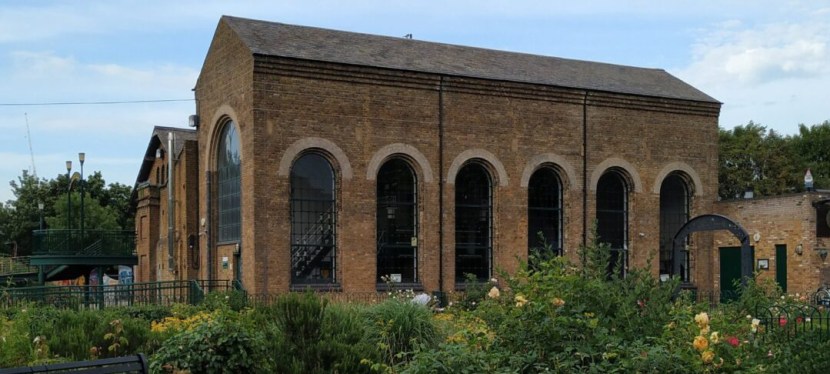
Walthamstow Pumphouse Museum and Markfield Beam Engine and Museum have merged under a new umbrella organisation, the Heritage and Communities Trust. The merger, which was finalised on 31st January 2025, brings together two of Greater London’s well-known industrial heritage sites.

Both museums will retain their individual names and distinct identities while benefiting from shared resources, expertise, and a unified governance structure. This strategic partnership creates the largest dedicated industrial heritage charity within Greater London in terms of public benefit and multi-site operation.

The flywheel of the pumping engine at Markfield. Image courtesy of Heritage & Comunities Trust.

The merger builds upon years of collaboration between the two listed Victorian-era sewage pumping stations, which are located approximately 45 minutes apart on foot along the River Lea. Both museums will continue to offer free entry to visitors, maintaining their commitment to accessibility and community engagement. “By joining forces, we’re creating a stronger, more resilient organisation that can better preserve and celebrate our shared industrial heritage,” said Abdullah Seba, Chief Executive of the Heritage and Communities Trust. “Our visitors will benefit from enhanced programming, improved facilities, and a more comprehensive understanding of London’s industrial past.”

The newly formed Heritage and Communities Trust will oversee both museums as well as two attractions at the Walthamstow Pumphouse Museum: The Tool House (a community maker space) and Supperclub.tube (a pop-up dining experience in a decommissioned Victoria Line carriage), with plans for further growth in the future. The Board of Trustees for the Heritage and Communities Trust includes representatives from both original museums to ensure continuity and balanced governance. Both museums will remain free to enter, continuing their position as the only free-entry industrial heritage museums in Greater London.

Walthamstow Pumphouse was built for Walthamstow Urban District Council and extended in 1896 to accommodate the current engine. It was closed around 1970. The museum opened in 1997 when a group of local enthusiasts came together to restore the Grade II listed Marshall engines and form the Friends of the Pumphouse. Markfield Beam Engine was built by the Tottenham Local Health Board in the 1880s and began its working life in 1888. It closed in 1964. In 1984 a Trust took on responsibility for the engine. In 2007 Haringey Council regenerated Markfield Park and restored the Grade 2 listed Engine Hall. The Trust restored the beam engine to full working order in 2008.

The Walthamstow Pumphouse Museum is open every Sunday from 10:30 am to 16:00 pm. Visit the website here. Markfield Beam Engine is open on selected Sundays and Bank Holiday Mondays. Visit the website here.
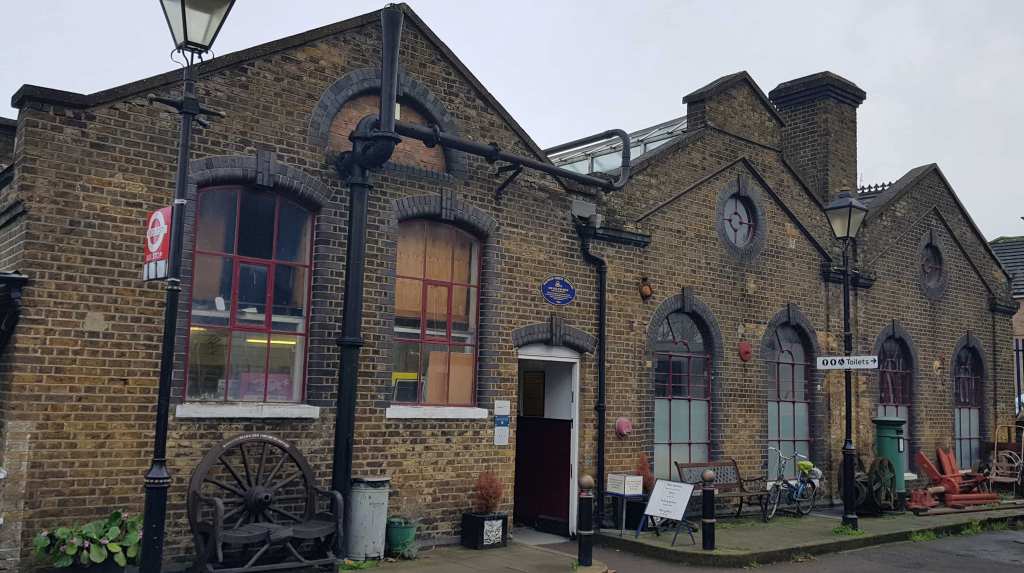
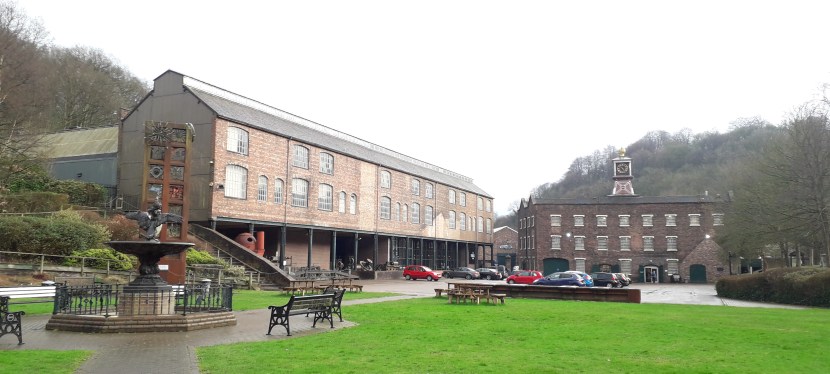
The Walthamstow Pumphouse. Image courtesy of Heritage & Communities Trust.

Woodbridge Tide Mill Launches Appeal to Renovate Exterior

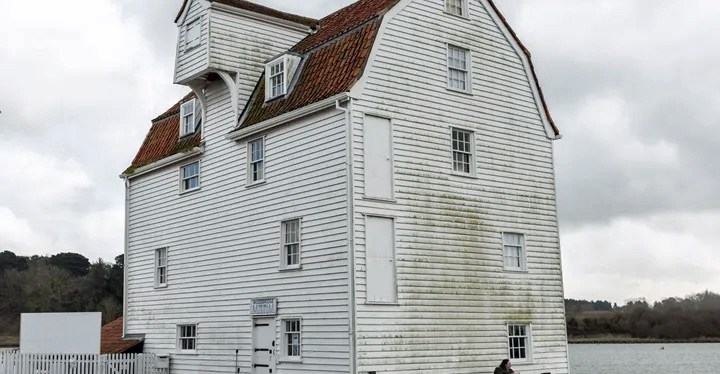
Woodbridge Tide Mill Museum, in Suffolk, is appealling for online donations to raise money for major restoration of the exterior of the listed mill. The museum, in Suffolk, has said the effects of being on the riverfront has meant weatherproof paint needs applying. Museum trustees are hoping that online donations will help them reach a £60,000 fundraising target for the restoration project by September.

John Carrington, Tide Mill Charitable Trust Chairman, said: “Visitor income is insufficient to maintain the Mill and so the trustees must use grant applications and fundraising.” The tide mill, built in 1793, is the fourth to be located on the site. The earliest date for a mill building is from 1170. The structure is one of only a handful of working tide mills left in Britain.

More details about the mill can be found here. The Woodbridge Tide Mill Museum summer opening hours start on the 1st April. To donate to the restoration appeal follow this link: https://www.gofundme.com/f/850-year-old-iconic-lady-in-urgent-need-of-a-face-lift

Woodbridge Tide Mill, Suffolk. Image courtesyt of Woodbridge Tide mill museum.

Historic England – Myths and Misconceptions of Heat Pump Technology Webinar 2 – Online

Due to the high demand for their latest webinar on the myths and misconceptions around heat pumps, Historic England is running an additional session on the 8th April 2025.

In this free webinar, Dan McNaughton and Sehrish Wakil, Senior Building Services Engineers at Historic England, will share practical advice and case studies to help participants plan and implement a successful heat pump installation project. The session will be followed by a Q&A. Book your free place here.

Heritage Open Days Micro-grants Opportunity for 2025

The Heritage Open Days team are offering two new micro-grants to support heritage sites and/or groups for the 2025 Festival. These are for the creation of new events that share stories highlighting under-represented histories, and to encourage people from under-represented backgrounds to participate.

These micro-grants are worth £350 each and come with one-to-one support from the national team. So, if your industrial archaeology or heritage site or group are planning a Heritage Open Day event why not consider widening its appeal with these support grants.

Applications are open to existing organisers who have participated for the last three years in HoDs, and to new organisers from under-represented backgrounds participating in the festival for the first time. The deadline for the micro-gants is Friday 4th April.

Full details and eligibility criteria can be found on the Heriotage open days website here

IHSO Project Extended to 2026

The Industrial Heritage Support Officer (IHSO) role, occupied by Dr Mike Nevell, has been awarded further funding to enable it to continue its work to preserve England’s industrial heritage. IGMT is delighted that our partners at Historic England and the Association for Industrial Archaeology have agreed to fund the post, which is vital for the support of the wider Industrial Heritage sector and a mark of the importance of IGMT as a leading Industrial Heritage organisation. 

The IHSO project is funded by Historic England and the Association for Industrial Archaeology (AIA), and began in September 2012. It is managed by the Ironbridge Gorge Museum Trust. The project aims to support the approximately 600 industrial heritage sites preserved and open to the public in England by developing partnerships and promoting best practice, among other things. 

In 2024 the project supported more than 400 sites through one-to-one advice, network meetings, site visits, seminars, websites, and social media. At the end of March the first round of Industrial Heritage Network meetings for 2025 will take place online, and on 25 April, Mike will be talking at an event hosted in Coalbrookdale, organised by the Boiler and Engineering Skills Training Trust, about the need for trained engineers to run industrial heritage sites.

Project highlights for 2025 to 2026 include a major report on the industrial heritage sector in England; more online training seminars to support the sector; and the continuation of the Industrial Heritage Networks. These are key to bringing together people working at industrial sites so that they can exchange experience and best practice.  

For further informatioon about the project renewal follow this link: https://www.ironbridge.org.uk/news/ironbridge-news/ihso-for-england-project-receives-funding-for-2025-2026/

Industrial Heritage Support Officer, Dr Mike Nevell, outside Abraham Darby’s 1709 blast furnace, Coalbrookdale. Image copyright IGMT.

Science and Industry Museum in Manchester to Add New Galleries as Transformation Plan Extended 

Manchester’s Science and Industry Museum has revealed plans for new permanent galleries and a new railway visitor experience as part of the next phases of its redevelopment.  The museum plans to create a new Wonderlab gallery, similar to that in other Science Museum Group museums, such as the Science Museum in London and the National Science and Media Museum in Bradford.

The new gallery will explore Manchester’s history of science and invention, drawing on the architectural features and history of the site to reflect the city’s creativity and innovation. It will be aimed at a target audience of ages four to ten, plus access for early years. An open competition to design the gallery has already opened.

In addtion, feasibility work will begin this year on a new free Technicians interactive gallery for 11-16-year-olds. The museum said it is looking to ascertain whether there is potential for the gallery to  open towards the end of the decade. It would be housed within the arches of the museum property’s viaduct, and would mark the first time this space would be used as public galleries.

The museum is also planning a new gallery and static rail experience at the 1830 station, which is set to re-open in 2030 in time for the 200th anniversary of the opening of the Liverpool & Manchester Railway.

Finally, feasibility work is also set to commence “in the near future” on landscaping and improving access in and around the museum’s Lower Yard, to create a new science playground and open the museum site, providing more access from other Manchester locations and attractions. 

Phase One of the Museum’s Transformation Plan, improvements and extensive repairs to the Power Hall, will be completed this summer. By the end of 2025, half of the museum’s site will have been restored over the last five years, following an investment of more than £40m from national government, charitable trusts and foundations, and philanthropists. The second phase will be completed in 2027.

For more details follow these links:

https://www.scienceandindustrymuseum.org.uk/about-us/we-are-changing/revolution-in-progress

https://www.museumsassociation.org/museums-journal/news/2025/03/science-and-industry-museum-plans-wonderlab-gallery-as-it-extends-revamp/#

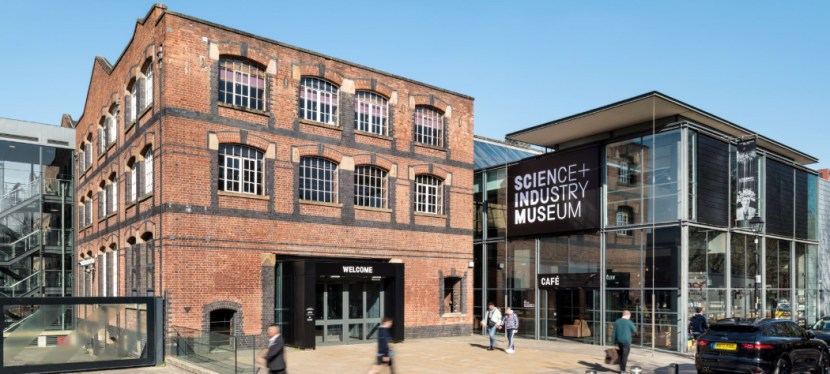
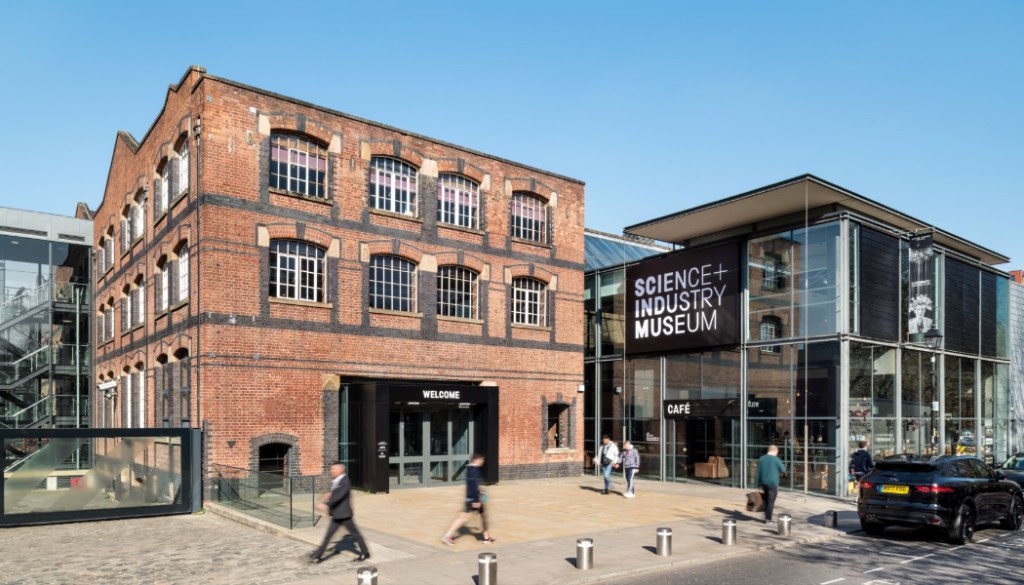
The entrance to the Science and Industry Museum, Manchester. Image courtesy of
The Board of Trustees of the Science Museum.

National Mills Weekend 2025: 10 & 11 May

This year, SPAB’s National Mills Weekend will take place on 10 and 11 May. It will focus on the way that mills past and present have been recorded in pictorial form with the theme ‘Mills in Time’. 

The weekend is an annual celebration promoted by the Mills Section of SPAB.  Across the country hundreds of mills – including some not normally open to the public – will be taking part. 

This year, SPAB are encouraging everyone (owner, volunteer, neighbour, or visitor) to share and display images of participating mills. These can be recent photographs or artworks (including embroideries, collages, films, or videos), or paintings, or drawings, and even old maps, postcards, or posters. To share your images go to the #NationalMillsWeekend Facebook page. Please remember to credit the copyright owner and photographer where known. 

To check whether your local wind or water mill is opening during the weekend click on the individual site website or follow this link for further details: https://www.spab.org.uk/whats-on/events/national-mills-weekend-2025

SPAB-owned Fladbury Mill and Kibworth Harcourt Post Mill, which aren’t normally open to the public, will also be open for the weekend. To book go to the SPAB website.

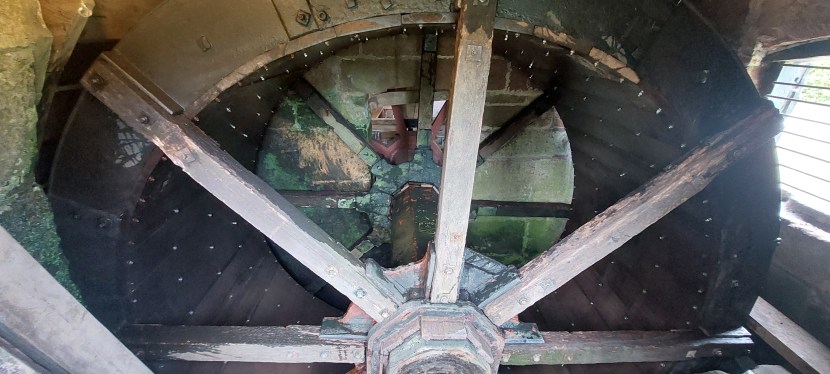
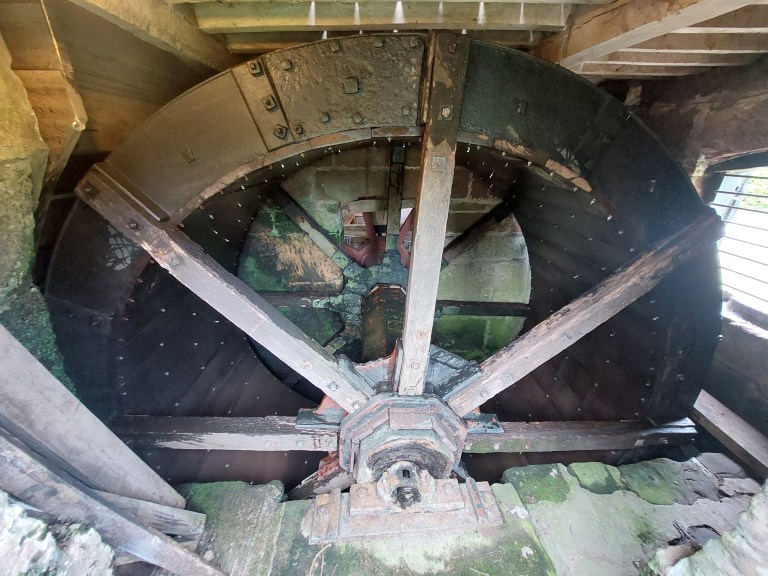
The waterwheel at Stretton Watermill, Cheshire. Image copyright Dr Michael Nevell.

Festival of Archaeology Summer 2025 Officially Launched by CBA

The Festival of Archaeology, run by the Council for British Archaeology (CBA), is back for summer 2025. This year’s theme, ‘Archaeology and Wellbeing’, celebrates the ways archaeology can inspire, connect, and enrich our lives. Whether it’s exploring historic landscapes, taking part in hands-on activities, or engaging in mindful moments with the past, there’s something for everyone.

Running from the 19 July to the 3 August, the CBA has announced some key festival events, including the opening in Northern Ireland at Divis and the Black Mountain, and the festival finale in Bradford, the UK City of Culture for 2025. During this year’s Festival, the CBA will be incorporating the five ways to wellbeing into the events and activities, creating opportunities for people to give, be active, learn, take notice, and connect. 

In 2024 there were dozens of industrial archaeology events across the country, so if you are an Industrial Heritage site or group lookign to get /involved as an organiser now’s the time to submit your event. Or, if you’re looking for some great events this July, you can start exploring what’s coming up now. In both cases follow this link to the Festival website for how to get involved: https://www.archaeologyuk.org/festival.html

Seven Industrial Museums Share £7.25m as Part of £270m Package of Support for Museums and Heritage Venues

Land of Iron, North Yorkshire. Image copyright Dr Michael Nevell

Museums, arts venues, libraries, and heritage attractions in urgent need of financial are to recieve significant Government funding. The ‘Arts Everywhere Fund’ totals £270m, and is to be shared between organisations the UK Government deems in most urgent need of financial support. It consists of both new and renewed funds for the sector.

As part of this package of support, five Industrial Heritage museums and sites will share grants from the 5th round of MEND support worth £7,253,849. These sites are:

  • Bletchley Park – £2,451,350
  • Land of Iron – £655,907
  • London Museum of Water & Steam – £2,626,277
  • Queen Street Mill – £813,115
  • Wheal Martyn Clay Works – £707,200

The £270m package of support will be targeted at organisations in urgent need of financial support to keep them up and running, carry out vital infrastructure work, and improve long term financial resilience. The support includes: 

  • A fifth round of the Museum Estate and Development (MEND) Fund worth £25 million
  • A new £20 million Museum Renewal Fund offering much-needed support to 29 civic museums  
  • An additional £120 million to continue the Public Bodies Infrastructure Fund
  • An additional £15 million for Heritage at Risk through Historic England 
  • A new £4.85 million Heritage Revival Fund
  • A 5% increase to national museums and galleries budgets  
  • Confirmation that DCMS will be providing £3.2 million in funding through the Museums and Schools Programme, the Heritage Schools Programme, the Art & Design National Saturday Club and the BFI Film Academy. 

The Association for Independent Museums (AIM) Director Lisa Ollerhead said, “We very much welcome this significant investment. It is fantastic news for the sector, not least given the pressure the public purse is under.  It also underlines the important role museums and heritage organisations play in strengthening our communities, boosting our economy and providing strong foundations for our creative industries.” 

The full announcement can be found here: https://www.gov.uk/government/news/major-investment-to-boost-growth-and-cement-britains-place-as-cultural-powerhouse

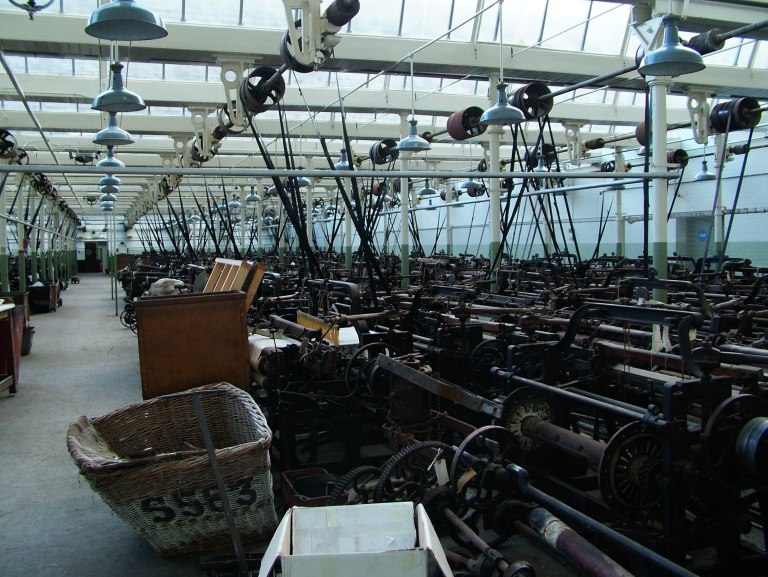
The weaving shed at Queen Street Mill, Burnley, Lancashire. Image copyrighht Dr Michael Nevell.

Spring 2025 Online Industrial Heritage Network Meetings

The next round of online Industrial Heritage Network (IHN) meetings is taking place this Spring. The IHN networks are a chance to meet those working, volunteering, or researching in the industrial heritage sector.

Four lunchtime IHN meetings will be held in late March, and will run from 12noon to 1pm, and there will be an IHSO update followed by news and updates from members. The first round of 2025 IHN meetings will take place on the following dates and will include the following groups:

  • 21 March – East of England
  • 25 March – South East
  • 26 March -North East
  • 31 March – London

Zoom links for the meetings will be sent to each region nearer the dates. If you would like to join any of these Industrial Heritage Networks as a member please email the IHSO here: mike.nevell@mikenevell