Historic Grimsby Maltings Conservation & Conversion Complete

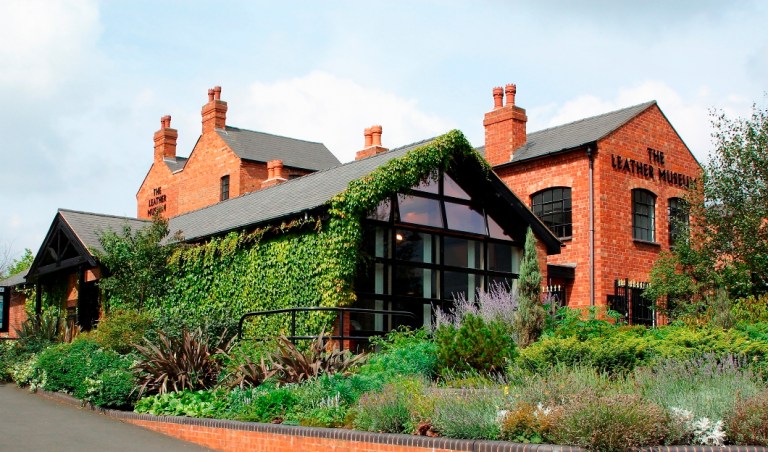
The transformation of the derelict Grade II-listed West Haven Maltings and Migar House in Grimsby into the Horizon Youth Zone has been completed. The conversion provides children and young people across North East Lincolnshire with access to sports, arts, music, and maker facilities. The multi-million-pound project officially opened on 14 February, blending heritage preservation with community use. Read more here.  

Once abandoned and fire-damaged, the 19th-century site has been restored and repurposed thanks to support from the Architectural Heritage Fund via its ‘Transforming Places through Heritage’ programme. Other funders of the Horizon Youth Zone site included Historic England, National Lottery Heritage Fund, The Youth Investment Fund, Evergreen Life, St. James’s Place Charitable Foundation, Ørsted and Greencoats Wind UK.

Horizon Youth Zone is an independent charity and is part of the OnSide network of 15 Youth Zones nationwide, which support over 50,000 young people annually. 

Thelisted West Haven Maltings was constructed as a granary and office between 1821 and 1838. It was later converted for use as a maltings, with the addition of a kiln to the north elevation. Migar House was built as a grain warehouse with grain crushing capabilities between 1879 and 1887. The building remained in use as a maltings until the 1920s. After a period of abandonment and negelect the site was listed in 1975, although conservation works did not start until the 21st century.

The Grimsby Maltings during restroation and conversion. Image copyright Historic England.

Eskdale Mill & Heritage Trust Fund Raiser

An online fundraiser has been set up to help the Eskdale Mill and Heritage Trust to raise funds to run community events and support their volunteers in sharing the mill with the public and local community in 2026.

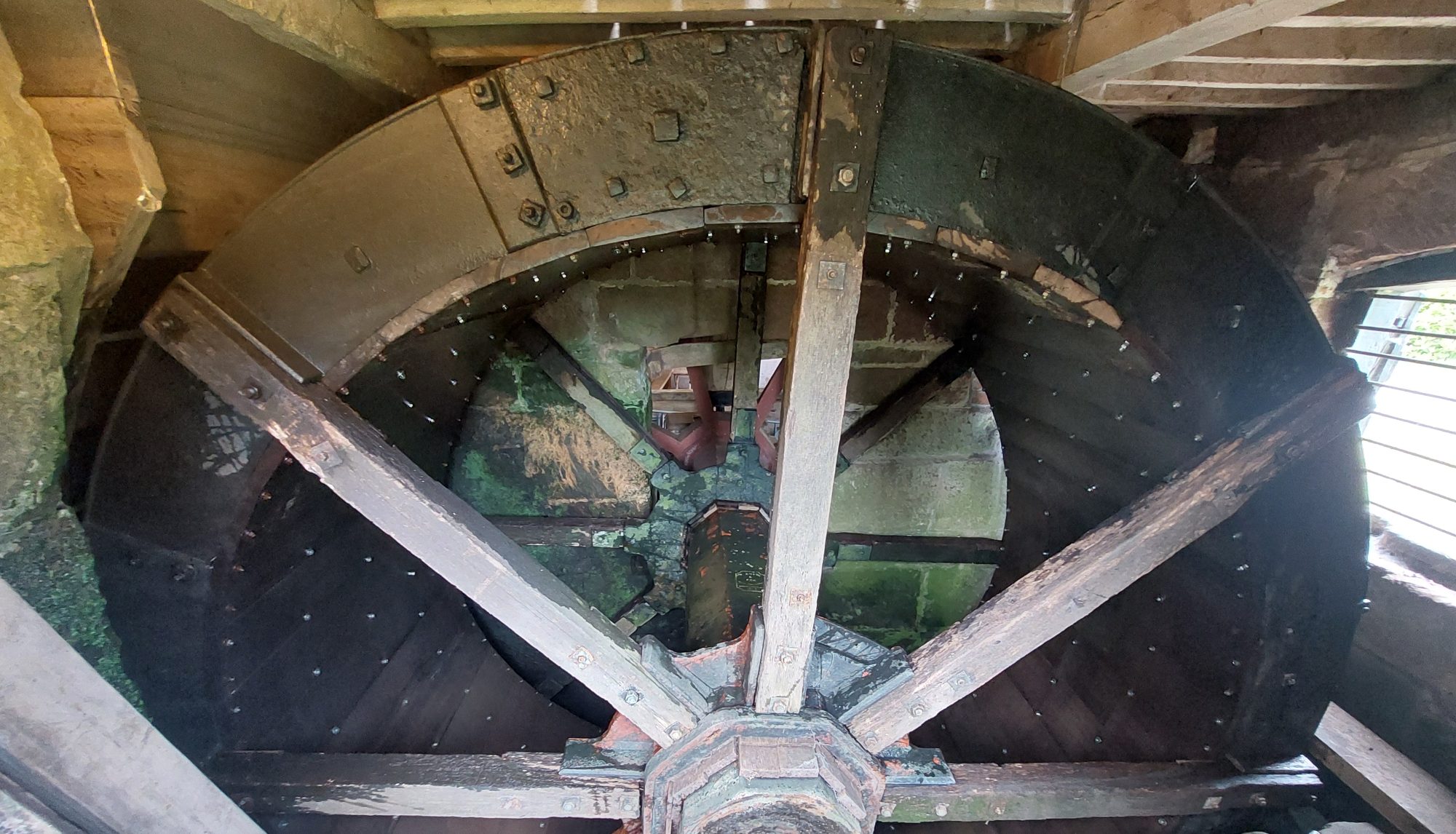
Dating back to at least 1578, and located alongside Whillan Beck in Boot, Cumbria, the stone-built Grade II* listed Eskdale Mill demonstrates 500 years of water power and the traditional craft of corn milling. Last commercially worked during the 1930s to supply animal feed to local farmers, the mill still produces its own flour and has a modern hydro-electric waterwheel making it possible to continue to harness energy through water power. It is the last remaining working water-powered corn mill in the Lake District National Park.

Further details on how to donate here: https://www.gofundme.com/f/community-events-and-volunteering-in-2026?attribution_id=sl:db5ff4c1-225d-4850-a2ba-60db8108f385&lang=en_GB&ts=1770758294&utm_campaign=man_sharesheet_dash&utm_medium=customer&utm_source=twitter

Free Heritage Carbon Webinars & Training for Industrial Heritage Organisations

Historic England continues to offer Heritage Carbon Literacy training, and free places on two new workshops:  ‘How to Measure a Carbon Footprint’ and ‘How to Write a Carbon Reduction Plan’. Both are designed especially for heritage organisations, such as industrial sites, who are just starting out on their carbon reduction journey.  Find out more and sign up here – https://historicengland.org.uk/education/training-skills/training/training-courses/carbon-reduction-training-for-the-heritage-sector/

Historic England has also published new guidance, factsheets, and resources to help cultural and heritage organisations develop Decarbonisation Plans for their heritage buildings. Developed by architects Haworth Tompkins through a co-funded Arts Council England and Historic England project, the free resources can be accessed here – https://historicengland.org.uk/advice/climate-change/your-organisation-to-net-zero/developing-a-decarbonisation-plan/

To accompany the resources HE are running a series of free webinars in March and April to go through the different steps in the decarbonisation process. More information and booking links here – https://historicengland.org.uk/education/training-skills/training/training-courses/carbon-reduction-training-for-the-heritage-sector/ 

Finally, Historic England is delivering a series of Heritage Carbon Reduction webinars. These have been developed especially for the heritage sector as part Historic England’s programme of Carbon Reduction training to help organisations reduce their carbon emissions. Topics include ‘How to get Trustee buy-in for your carbon reduction plan’, ‘Tenant/Landlord collaboration in lowering emissions’, and ‘Soil emissions in archaeology’. Training on further topics will be announced later in the year. Everyone is welcome to attend these free training sessions. If you can’t make it recordings will also be available on the Historic England website. Booking links here – https://historicengland.org.uk/education/training-skills/training/training-courses/carbon-reduction-training-for-the-heritage-sector/

Urban air pollution. Image copyright Historic England Archve.
Stormy seas crashing against a historic quayside. Image copyright Historic England Archive.

AIA Events in 2026: Norwich Annual Conference

The Association for Industrial Archaeology’s (AIA) 2026 conference will be based at Norwich, England, from the 4th to 9th September. The East Anglian counties of Norfolk, Suffolk, and Cambridgeshire have a rich history of Industrial Heritage including wind and water mills, maritime and port industries, agriculture, and the associated manufacture of agricultural machinery and food processing.

The 2026 programme will follow the usual format, starting on the Friday evening with an informal dinner followed by a talk introducing the Industrial Heritage of East Anglia. On Saturday there will be a full day of talks on local topics, presentations to and by award winners, and the Conference Dinner. On Sunday morning there will be AIA’s AGM followed by the Rolt Lecture. From Sunday afternoon until Wednesday lunchtime there will be a number of site visits across the three counties. Lunches, informal evening dinners and talks are included. Full details and booking will be available on the conference pages of the AIA website in due course. Recordings of the 2025 Bradford Conference are now available on the AIA YouTube channel.  

For more information, including booking details, please visit the events pages of the AIA website

View of Carrow Works and the River Wensum, Norwich c 1870. The home of Colman’s Mustard (unknown artist). From the Norfolk Museums Collections

Catalyst Science Discovery Centre & Museum Looking for Volunteers

Catalyst Science Discovery Centre and Museum, in Widnes, is seeking to expand its team of volunteers as part of the National Lottery Heritage Fund ‘Synergy Project’. The museum hopes to increase volunteer numbers from 24 to 70 by the end of 2027.

Heather Royle, volunteer coordinator at Catalyst, told Runcorn and Widnes World: “Our volunteers play a vital role in helping visitors have a memorable experience. There are so many different roles available, so there really is something for everyone. With all the exciting changes happening through the Synergy Project, this is a brilliant time to get involved.”

No previous experience is needed, and volunteers are only asked to give a couple of hours a week. Full training, coaching, and ongoing support are provided. Roles include helping with events and activities, engaging visitors through science “busking” in the interactive galleries, preparing workshops, supporting the café, and preserving the museum’s archives. Additional opportunities include helping maintain the historic 1860s building and welcoming visitors.

The Synergy Project will transform the museum’s ‘Birth of an Industry’ gallery into an immersive, interactive space bringing the story of the chemical industry to life. Anyone interested in volunteering can contact Heather Royle at heather.royle@catalyst.org.uk for more information.

The Catalyst Science Centre & Museum. Image copyright Dr Michael Nevell

Industrial Heritage Networks Online – Spring Dates for 2026

The next round of online Industrial Heritage Network (IHN) meetings will provide a lunchtime opportunity to connect in Spring 2026. The IHNs are a vital part of the Industrial Heritage Support Project (IHSO), providing an opportunity for individuals, both professional and volunteer, working at Industrial Heritage sites in England to get together to exchange experiences and catch up with the latest trends in the sector.

This Spring’s online Industrial Heritage Network meetings will be taking place during later February and March at a midweek lunchtime, 1pm to 2pm. Those attending are very welcome to bring a drink and a sandwich whilst we spend an hour talking about updates from individual sites, as well as current trends. The date for the 10 IHN online meetings are as follows:

  • 24 February – West Midlands IHN
  • 25 February – East Midlands IHN
  • 3 March – East of England IHN
  • 4 March – London IHN
  • 11 March – Yorkshire IHN
  • 12 March – South East IHN
  • 17 March – North West IHN
  • 18 March – Cornwall & Devon IHN
  • 26 March – South West IHN
  • 27 March – North East IHN

Network members will be emailed joining details nearer the time. For queries about joining the Industrial Heritage Networks, please email the IHSO, Dr Michael Nevell, at: mike.nevell@mikenevell.org.uk

The IHSO project, which runs the IHNs, is funded by grants from Historic England and the Association for Industrial Archaeology, and is based at the Ironbridge Gorge Museums in Shopshire, England.

South East Regional Industrial Archaeology Conference 2026 Open for Booking

The 2026 South East Regional Industrial Archaeology Conference (SERIAC) will take place on 25 April at Stanley Arts, South Norwood, London, from 10.30 to 16.45.

The day will consist of papers from members of the constituent societies in the region, including topcis such as Brunel’s Viaducts and Reading’s Other Industries. Display Space will be available for those Societies who wish. An optional box lunch will also be available. Further details here:

Book your tickets online via this link: https://tinyurl.com/SERIAC-2026

Get Involved With National Mills Weekend 2026: 9 & 10 May

To celebrate the National Mills Weekend 2026, 9th and 10th May, the SPAB Mills Section wants to build up a new and comprehensive picture of mills of all types throughout the UK and Ireland. This year’s theme, ‘Now and Then’, invites owners, volunteers, millwrights or anyone interested in the history of a mill to write about how one has evolved.

SPAB would like to understand a mill’s origins and how the structure and uses have changed over its lifetime. This can be a post mill, smock or tower mill, a watermill or tidemill, or an industrial mill. The mill must be located in the UK or Ireland. Up to four photos or drawings can accompany the text.

All submissions must be the writer’s own work, and photographs to be accompanied by the date and name of the photographer and their permission.  Or, if it is a historic photo, permission of the copyright holder. Drawings to be similarly annotated.

Entries may be edited, and selected submissions will be incorporated into a SPAB Mills Section publication in 2026. Entrants will need to grant copy and reproduction rights to SPAB in print or online.

The chosen entrants will receive a copy of the publication, which will be available for sale through the SPAB.

The deadline for submissions is Thursday 30th April 2026. All entries to be submitted via email to: nmwsubmissions@spab.org.uk

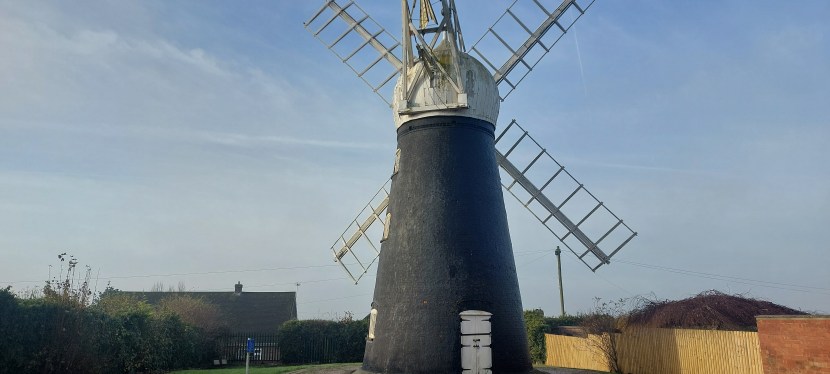
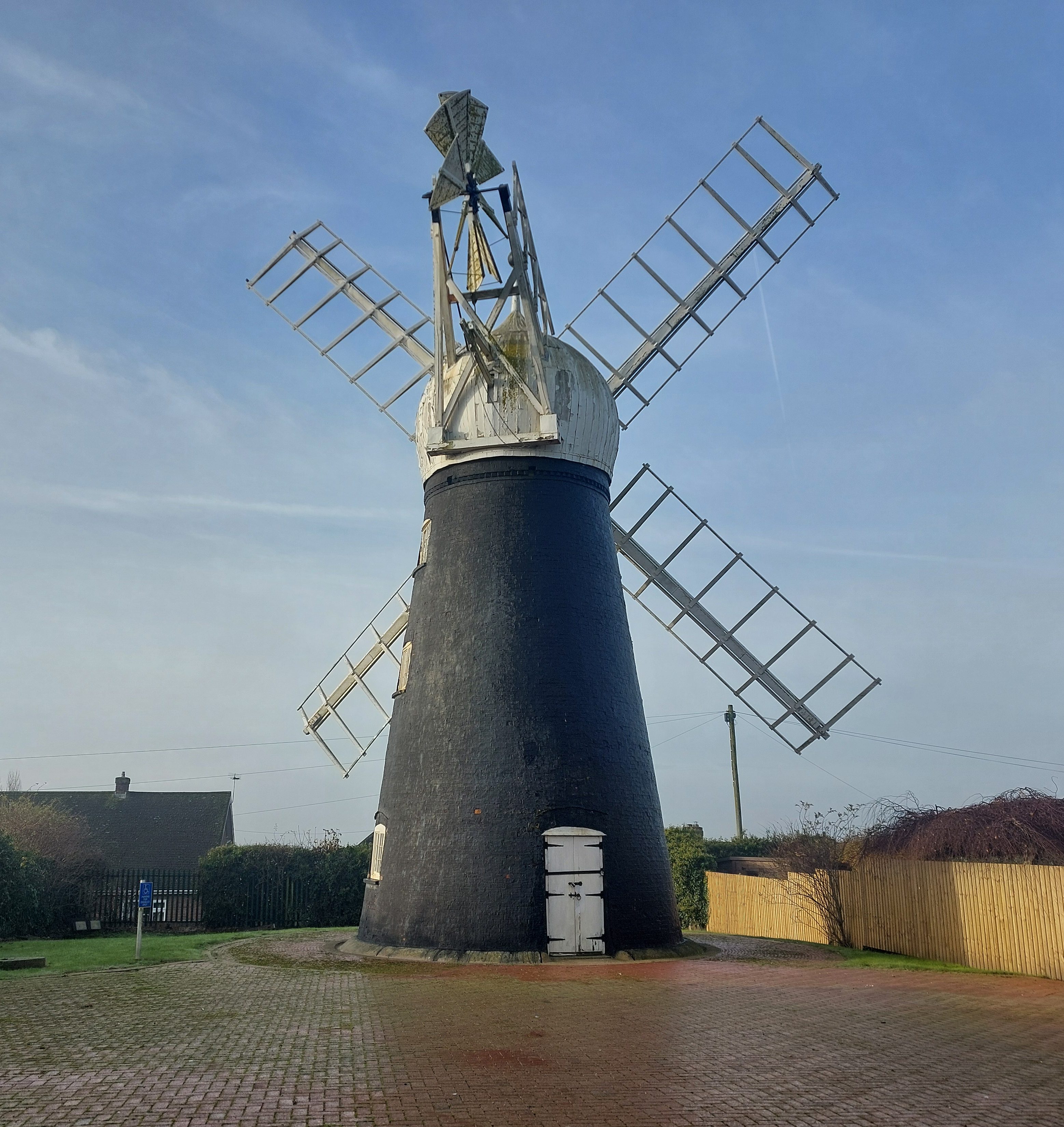
Heckington Windmill, Lincolnshire. Image copyright Dr Michael Nevell.

New Historic England Book on the Buildings of the Temperance Movement

The latest Historic England / Liverpool University Press publication considers the ‘Built Heritage of the Temperance Movement’. English Temperance societies were established from the 1830s, especially in the new industrial centres of the era, and became one of the most influential social movements of the 19th century. Over the next century, millions ‘signed the pledge,’ committing to a life of abstinence, helping those affected by drink, and advocating for alcohol restrictions, even prohibition.

This fascinating book examines the built heritage associated with the movement including temperance halls and institutes, missions, coffee taverns, reading rooms, billiard halls and hotels. It complements the earlier volume ‘Licensed to Sell: The History and Heritage of the Public House’, also authored by Andrew Davison. Further information on the Temperance Movement can be found in this accompanying Historic England blog – https://heritagecalling.com/2026/01/08/temperance-buildings-the-way-out-of-darkest-england/  

Details on how to order the book can be found here: – https://historicengland.org.uk/images-books/publications/built-heritage-temperance-movement/.

World Heritage UK Webinars – Industrial Heritage Season Two Talks

World Heritage UK’s most popular series of webinars to date was 2024’s Industrial Heritage. Over a series of seven talks, six Industrial World Heritage Sites and one roundtable discussion drew in the highest number of attendees any series has achieved. It was noted that not all of the UK’s Industrial World Heritage Sites were featured, and WHUK’s first series of 2026 seeks to address this. The three remaining industrial Sites will each have their own webinar, followed by the launch of the upcoming and new Industrial Heritage Trail.

• Tuesday 20th January – New Lanark WHS, with Head of Heritage Kate Lapping
• Tuesday 03rd February – Pontcysyllte Aqueduct WHS, with Claire Farrell, Canal & River Trust
• Tuesday 10th March – Blaenavon Industrial Landscape WHS, speaker tbc
• Tuesday 21st April – Launch of the Industrial Heritage Trail, with Saltaire’s Brandi Hall-Crossgrove and Derwent Valley Mills’ Sukie Khaira

The Webinar will take place at 7-8pm UK time and all webinars will run on the Zoom platform. Webinars will be recorded and uploaded to WHUK’s private YouTube account. Single tickets are £5 and a series ticket for all four talks is £15. All ticket holders will be provided the link after the webinar.

To book your ticket follow this link: https://worldheritageuk.org/events/world-heritage-webinars-industrial-heritage-season-two-new-lanark/